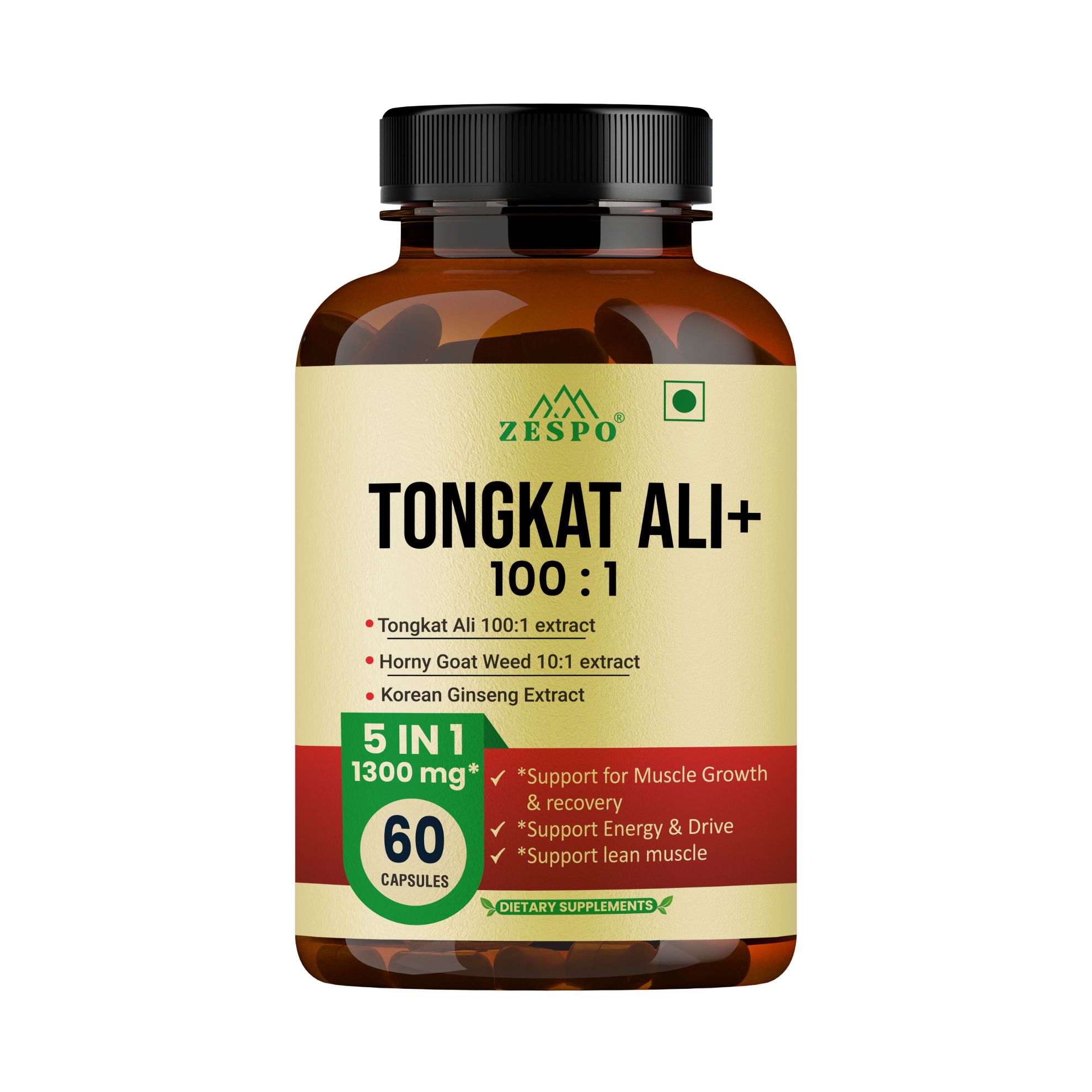
Tongkat Ali Explained: The Root, Extract Ratios and Labels
What Tongkat Ali (Eurycoma longifolia) is, how the root becomes an extract, what ratios like 100:1 mean, and what to check on the label.
Read articleField-tested wellness reads — ingredient deep-dives, evidence summaries, and real-world routines from the Zespo team.
What Tongkat Ali (Eurycoma longifolia) is, how the root becomes an extract, what ratios like 100:1 mean, and what to check on the label.
Read articleA 10:1 beet root extract is made from about ten times its weight in beet root. Here is what that ratio means and how to compare la…
Quercetin is a yellow plant pigment found in onions, apples, capers and tea. Here is where it comes from and how supplement labels…
Benfotiamine is a fat-soluble form of vitamin B1 first developed in Japan. Here is how it differs from ordinary thiamine.
By the Zespo team Zespo Berberine Complex is a 1,200 mg per serving botanical blend in 120 vegetarian capsules: two capsules a day…
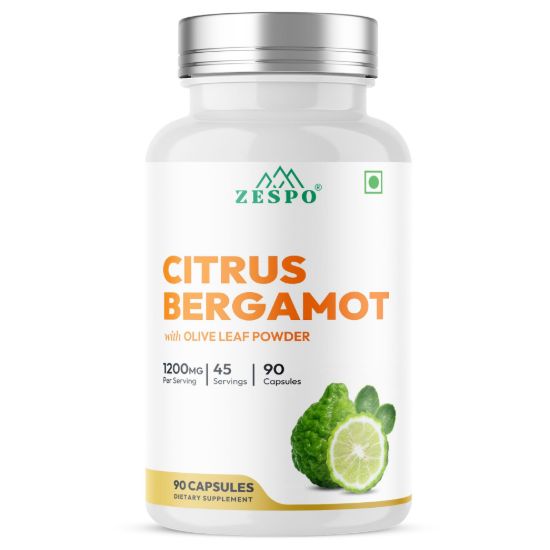
Citrus bergamot comes from the coast of Calabria in Italy and flavours Earl Grey tea. Here is what goes into a bergamot and olive…
A plain guide to reading the Citrus Bergamot with Olive Leaf label: what each ingredient is, per-serving versus per-capsule amount…
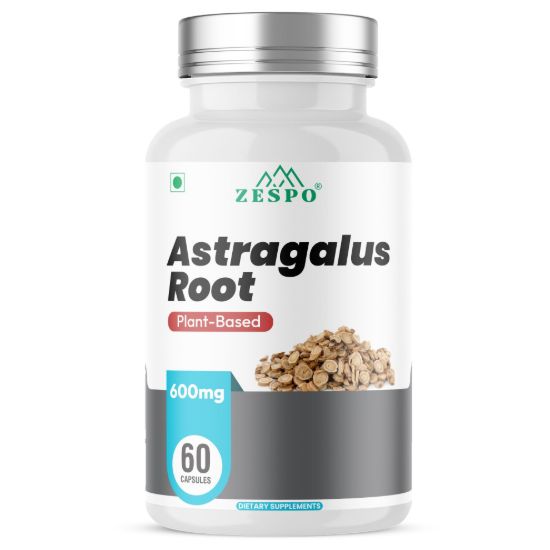
Astragalus root, known as huang qi, has a long history in Chinese tradition. Here is what a 10:1 astragalus extract means.
Potassium citrate is the potassium salt of citric acid. Here is how to read compound weight versus elemental potassium on a label.
Butyrate takes its name from the Latin word for butter. Here is what sodium butyrate is and how its label reads.